
Gardening can feel a bit like juggling flamingos – immensely rewarding and utterly bewildering at times. Whether you're nurturing a petite urban balcony oasis or a sprawling backyard paradise, creating beautiful indoor and outdoor spaces is a thrilling project. Let's dive into some effective strategies that will have your plants thriving and your neighbors full of envy!
Why Garden in the First Place?
Well, besides the sheer joy of seeing a succulent sprout a new leaf, gardening offers a plethora of benefits including reduced stress levels, improved air quality, and a bountiful supply of home-grown snacks. Imagine this: you're whipping up dinner and realize you're low on basil. No problem – you saunter over to your indoor herb garden, pick a few fresh leaves, and boom! MasterChef-worthy dish on the table.
But there's so much more to gardening than meets the eye. The act of tending to your garden can be meditative, a chance to unplug from the relentless pace of modern life and reconnect with nature. In a world full of screens and digital distractions, the simple pleasure of nurturing a living thing can become your daily dose of mindfulness. Moreover, many gardeners find that the process of watching a seedling transform into a blooming plant mirrors their own personal growth, offering lessons in patience, perseverance, and renewal.
Furthermore, gardening provides an excellent opportunity for creative expression. Much like an artist with a blank canvas, you decide the layout, color scheme, and overall design of your green haven. Every plant placement and decorative accent becomes a brushstroke contributing to a living masterpiece that evolves with each season. The garden not only feeds the body but also nourishes the soul, making it a holistic endeavor that bridges the gap between aesthetics and utility.
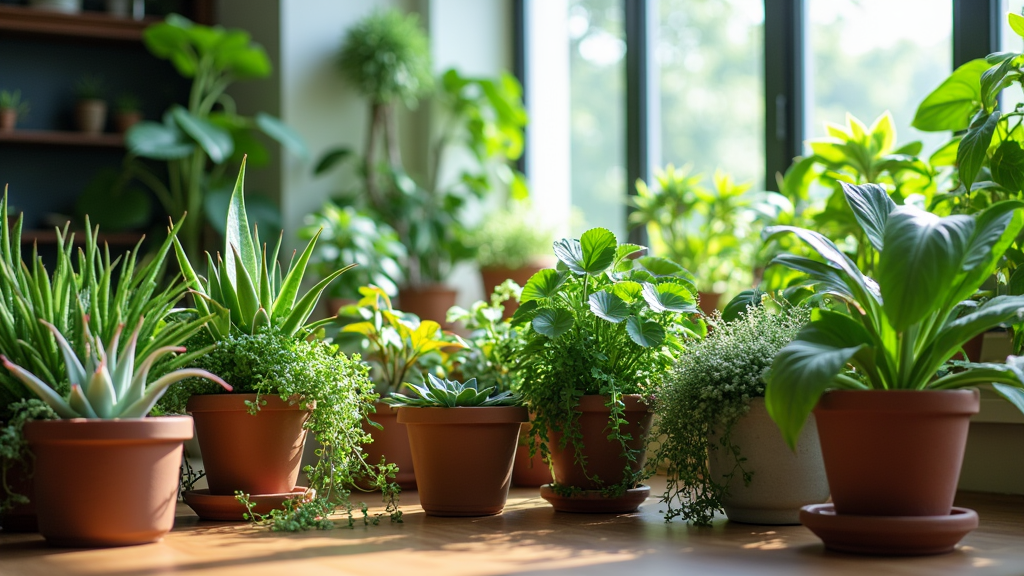
Creating Your Indoor Garden: Plant Party in the Living Room
When it comes to cultivating an indoor garden, it's all about creating an environment that mimics nature's own delicate balance while adding your personal touch. Indoor gardening is perfect for those with limited outdoor space or for anyone who wants to bring a slice of nature indoors. Whether you're living in a city apartment or simply want to enjoy some greenery inside, this section offers a detailed look at transforming your living space into a lush retreat.
-
Choosing the Right Plants: For indoor spaces, opt for plants like pothos, snake plants, or peace lilies which help purify the air and are low-maintenance. Ask yourself: What is my home's light like? Sure, your monstera might love bright indirect lighting, but if your apartment gets a whole lot of 'shade with a side of shade', consider low-light champions like calatheas.
Expansion Tip: When choosing plants, consider the unique micro-environments within your home. For instance, the room closest to a window might be ideal for succulents that require plenty of sunlight, while darker corners could be reserved for ferns or ivy that thrive in lower light. Experiment with different placements and don't be afraid to rotate plants to ensure even growth. Over time, you'll learn which species are happiest in which spots, making the process a delightful exploration of trial and error. -
Pots and Tools: Using quirky, personalized pots can add a touch of character. Picture a cactus in a teacup. Unlikely combo? Perhaps. Adorable? Without a doubt. Ensure the pots have drainage holes so you don’t give your plant a one-way ticket to root rot city – population: overwatered plants.
Extra Insight: Consider using recycled or upcycled containers to give your indoor garden an eco-friendly twist. Old mugs, vintage tins, or even repurposed wooden boxes can become the perfect home for your little green friends. In addition to their aesthetic appeal, these creative choices often bring a story to your garden – one that you can share with guests and fellow plant enthusiasts. -
Positioning and Care: Group plants requiring similar care together to streamline your routine. Set reminders for watering schedules, and don’t feel like you have to be a botanist overnight. Everyone forgets to water their ferns once in a while. Totally relatable.
Additional Consideration: Incorporate a regular maintenance routine into your weekly schedule. This could include wiping dust off leaves, checking for pests, and rotating your plants for balanced sunlight exposure. Creating a dedicated spot for your indoor garden not only makes care easier but also enhances the visual appeal of your living space. Even the simple act of grouping plants together can transform a drab corner into a vibrant focal point.
Outdoor Spaces: Backyard Bliss on a Budget
When stepping into the world of outdoor gardening, the potential for creativity and practicality expands exponentially. Whether your backyard is a vast expanse of green or a compact urban lot, planning your outdoor space with a clear vision can transform it into a delightful retreat that offers both beauty and function.
-
Planning Your Space: Start with a plan before you dig in. Are you looking to attract butterflies, grow veggies, or simply have beautiful blooms? A clear goal will help you decide on plant choices and layout. Consider trellises, raised beds, or even vertical gardens to make the most of limited spaces.
Planning Pointers: Map out your yard on paper, noting the positions of trees, fences, and any existing structures. Consider factors such as sunlight patterns, wind directions, and water drainage areas. This thoughtful approach ensures that every plant is placed in an environment where it can thrive. Don’t hesitate to experiment with themes or zones – for example, a dedicated herb garden next to your kitchen or a serene flower garden at the back of your yard for relaxation. -
Soil and Nutrients: Think of soil like your garden's stock foundation. Just as a delicious soup starts with a hearty broth, a vibrant garden begins with enriched soil. Use compost and organic matter to invigorate nutrient-poor earth – your tomatoes will thank you with juicy goodness.
Soil Secrets: Investing time in testing and amending your soil can yield tremendous benefits. Look into local soil testing services to determine the pH and nutrient levels, then tailor your amendments accordingly. Mulching, crop rotation, and cover cropping are excellent methods to maintain healthy soil over multiple growing seasons. Remember, robust soil fosters strong roots, which in turn support flourishing plants. -
Watering Wisely: Invest in a rain barrel or a proper irrigation system. According to the EPA, watering in the early morning or late evening minimizes evaporation, making each drop count.
Watering Wisdom: Beyond timing, consider the methods of watering that best suit your garden's needs. Drip irrigation systems can provide a steady and efficient flow of water directly to plant roots, reducing waste. For smaller gardens, a simple soaker hose may be sufficient. It’s also important to learn the water preferences of each plant species, as overwatering can be just as harmful as underwatering. Keep a journal of your watering schedule and the weather conditions to fine-tune your approach as the seasons change.
Additional Outdoor Considerations: Seasonal Adjustments and Maintenance
Gardening outdoors is a dynamic, ever-changing adventure that requires adjustments with the changing seasons. Each season brings its own challenges and opportunities for both novice and seasoned gardeners.
Spring: The season of rebirth and renewal, spring is the perfect time to start new plantings and prepare your garden for the growing season ahead. Begin by cleaning up any debris from winter and preparing your soil with fresh compost. Early spring is ideal for planting cool-weather vegetables and annual flowers. Keep an eye out for frost dates to ensure your tender plants are not exposed to damaging cold.
Summer: As temperatures rise, your garden may face heat stress and increased pest activity. During summer, consistent watering becomes essential, especially during dry spells. Mulching can help retain soil moisture and keep roots cool. This is also a great time to experiment with drought-resistant plants that can handle the summer heat, reducing the need for frequent watering.
Autumn: Fall is a time for harvest and preparation for the coming winter. It’s a great opportunity to enjoy the fruits of your labor by picking vegetables and fruits at their peak. Autumn also provides a window for planting spring bulbs and perennials that will establish roots before the cold sets in. Pruning and removing spent plants can help tidy up your garden and prevent diseases from lingering into the next season.
Winter: In regions where winters are harsh, outdoor gardening might take a backseat. However, it’s an excellent time for planning, reflecting on the past season, and preparing for the next. For those in milder climates, winter gardening can involve evergreens and ornamental plants that add structure and color to a barren landscape. Consider installing protective covers or using cold frames to extend the growing season for certain crops.
Common Concerns and Solutions
"I have a black thumb. Plants fear me."
Don't fret! Even if you've been told you have a "black thumb," the world of gardening is forgiving and full of hardy species that thrive despite a few missteps. Start with resilient plants like succulents indoors or marigolds outdoors, which are nearly impossible to kill. Embrace the learning process with small wins and allow yourself to experiment without fear of failure. Over time, you'll find that your confidence blossoms just as much as your garden does.
"I travel a lot for work – won't my plants suffer?"
If your schedule means you're often away from home, there are several strategies to ensure your garden remains well cared for. Self-watering planters, programmable drip irrigation systems, and even plant-sitter apps can help maintain your green spaces in your absence. Additionally, consider forming a plant-care pact with a friend or neighbor who shares your passion for greenery. This way, your garden gets the attention it deserves, and you get the peace of mind knowing your leafy friends are in good hands.
Integrating Technology and Nature
In today's digital age, technology can serve as a valuable ally in your gardening journey. From smart watering systems to mobile apps that help you track your plant care schedule, there are numerous tools available to streamline the process. For instance, many modern irrigation systems allow you to control water flow and scheduling via your smartphone, ensuring that your garden gets the right amount of hydration even when you're not physically present.
Moreover, online communities and social media platforms provide a wealth of knowledge and support for gardeners of all levels. Joining gardening forums, following influential plant enthusiasts on Instagram, or subscribing to YouTube channels dedicated to horticulture can offer fresh insights, troubleshooting tips, and endless inspiration. These digital resources help bridge the gap between traditional gardening practices and modern innovations, making the hobby more accessible than ever.
Sealing the Deal with Skills and Gratification
Gardening is less about perfection and more about nurturing and learning. Remember this: it's a journey filled with sunlight, occasional dirt under your nails, and a garden that blossoms before your eyes. The process of cultivating a garden can teach you invaluable life lessons, from the importance of patience to the beauty of imperfection. Every plant you nurture and every seed you sow is a testament to your dedication and care.
As you experiment with different techniques and discover what works best for your unique environment, you'll develop a deeper understanding of both your garden and yourself. The challenges you face—be it a stubborn weed or an unexpected pest invasion—are opportunities to hone your problem-solving skills. Over time, your garden will not only become a sanctuary of natural beauty but also a living record of your personal growth and resilience.
Gardening also provides an excellent opportunity to get creative. Consider designing themed garden areas—perhaps a section dedicated to fragrant herbs for your kitchen, or a colorful flower patch that attracts butterflies and bees. The more you personalize your garden, the more it becomes an extension of your own identity. This creative process transforms gardening from a mere hobby into an art form, where every bloom and every leaf plays a part in your ongoing masterpiece.
In addition to its creative and therapeutic benefits, gardening can also be a deeply communal activity. Whether you’re trading cuttings with a neighbor, participating in local garden clubs, or attending workshops, the connections you make along the way can enrich your life in unexpected ways. These shared experiences foster a sense of community and mutual support, proving that the love for plants is a universal language that transcends boundaries.
Even if your garden is small, the impact on your overall well-being can be significant. The satisfaction of watching a plant grow, the joy of harvesting fresh produce, and the simple pleasure of stepping outside into your personal oasis all contribute to a happier, healthier lifestyle. Moreover, the skills you acquire along the way—ranging from soil science to water conservation—are not only practical but also empowering, equipping you with knowledge that can make a real difference in your everyday life.
So, step into your overalls, slide on those gloves, and let the adventures with your leafy friends begin! Share this guide with fellow enthusiasts, and let's see those picturesque gardens flourish. Whether your space is vast or compact, every plant you nurture adds a splash of color, a burst of life, and a dash of personality to your environment.
In conclusion, gardening is much more than a way to beautify your home or produce fresh herbs for your kitchen. It is an immersive experience that connects you to nature, enriches your daily routine, and allows you to witness the wonders of growth and transformation firsthand. Embrace every challenge and celebrate every small victory, for each step in your gardening journey is a step toward creating a sanctuary that reflects your spirit and creativity.
Remember, the beauty of gardening lies in its unpredictability. No two gardens are alike, and that is what makes each one so special. With a little planning, a lot of passion, and a willingness to learn, you can transform even the most modest patch of soil into a thriving, vibrant paradise. So, whether you're a seasoned horticulturist or a budding enthusiast taking your first steps into the garden world, know that every seed planted holds the promise of a future full of beauty and growth.